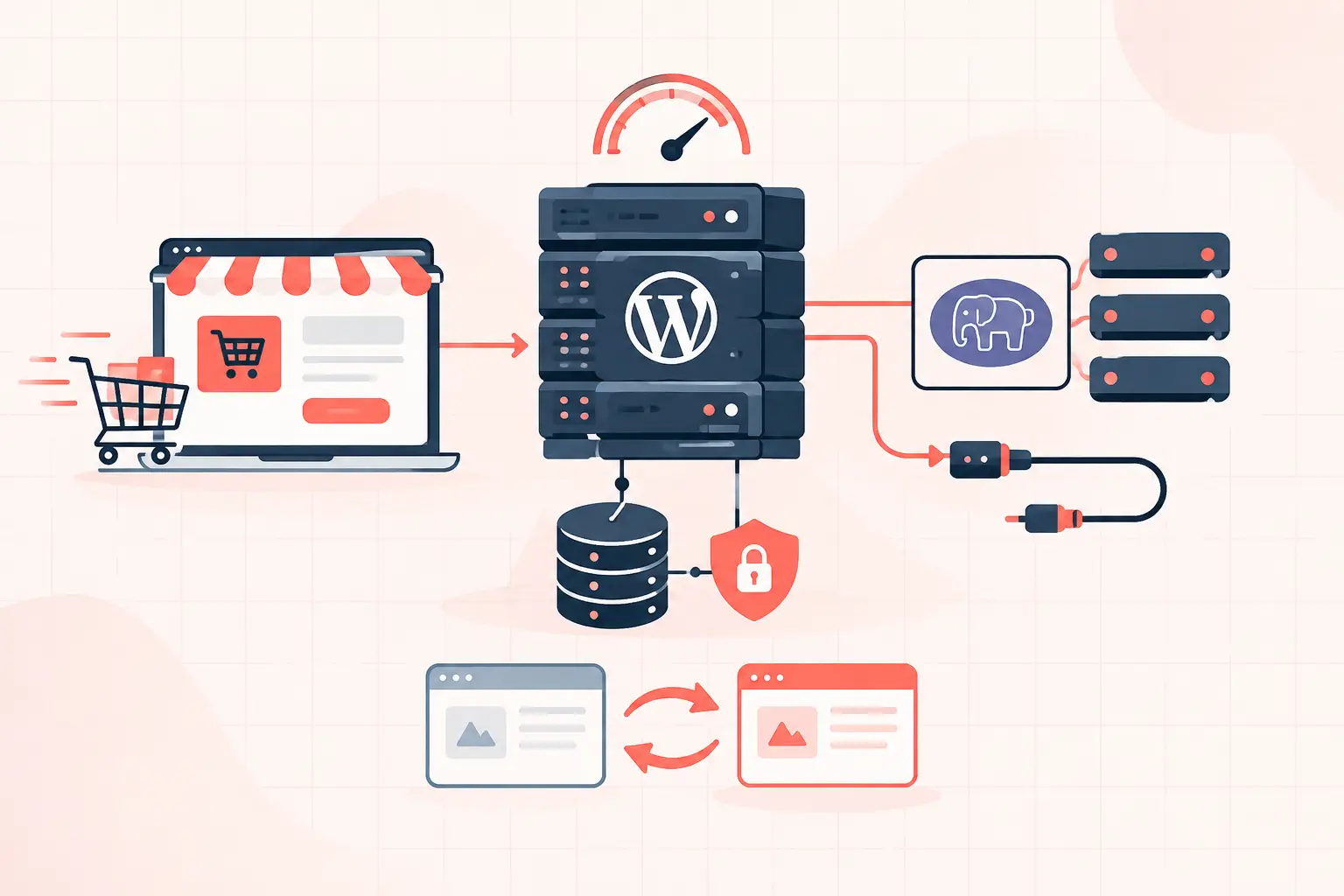

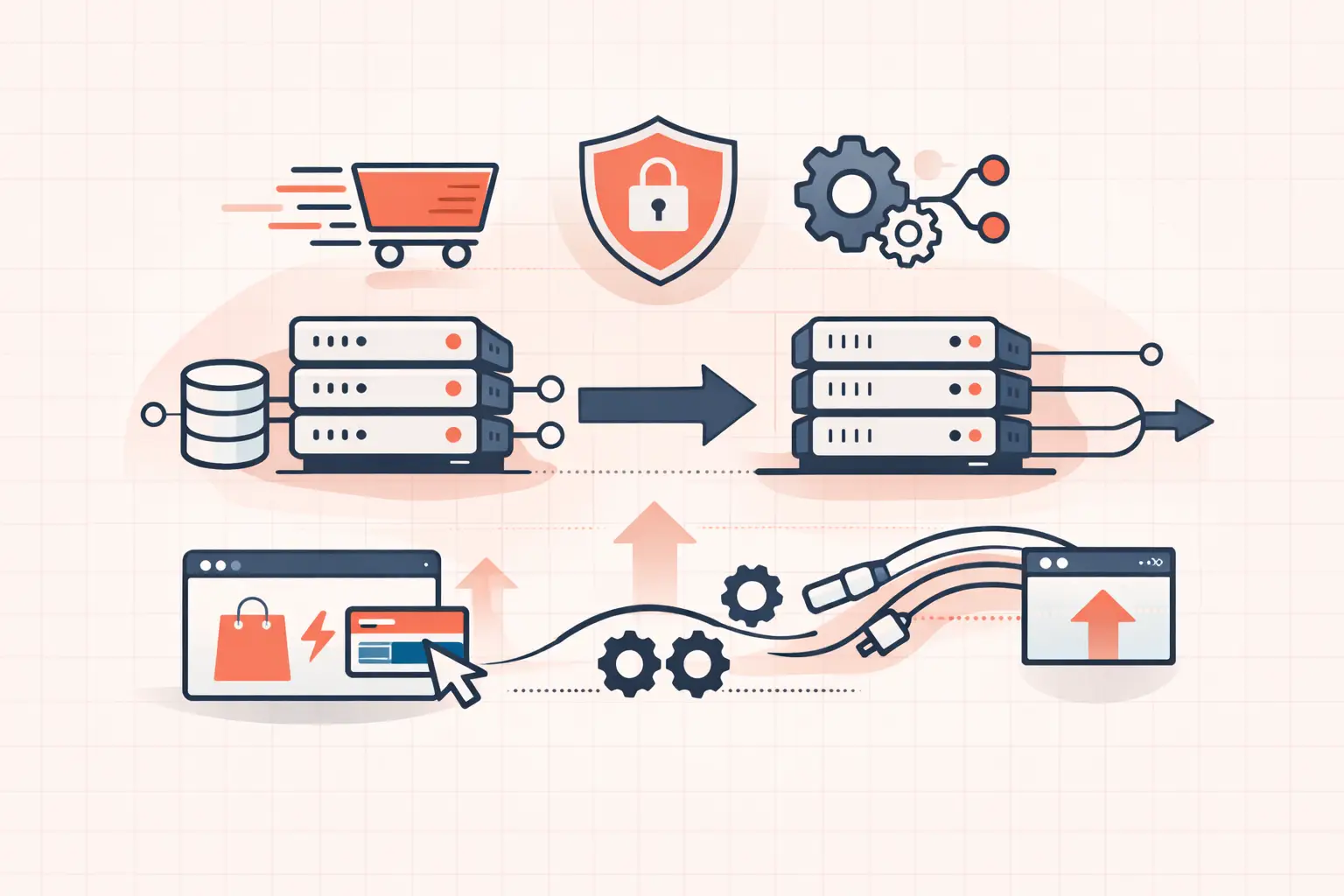
A plugin update can break a checkout, replace a critical template, trigger PHP fatal errors, or invalidate cached pages in seconds. Zero downtime plugin updates are not achieved by clicking Update and hoping your host has a backup. They require a controlled release process: verify the change off-production, protect the database, manage caches and background jobs, then validate the paths that make money.
For a small brochure site, that process can take 10 minutes. For WooCommerce stores, membership sites, or high-traffic publishers, it needs more discipline. The right workflow depends on whether the update changes database tables, affects payment or shipping logic, and whether your site can tolerate even a brief period of inconsistent behavior.
What zero downtime really means in WordPress
In practical WordPress operations, zero downtime means visitors continue receiving valid pages and completing critical actions while you deploy and verify a plugin change. It does not mean a plugin's files magically change with no risk. WordPress is a shared application stack: PHP code, the database, object cache, page cache, cron, and third-party APIs all interact.
A simple visual plugin update may be safe to deploy directly during low traffic. A WooCommerce payment gateway update is different. It may add an option, alter webhook handling, clear transients, or change checkout JavaScript. During that transition, the danger is not only a white screen. You can get duplicate order states, failed payments, stale inventory, or customers seeing a cached cart from a previous session.
The operational goal is to shrink the risky window, detect a bad release immediately, and make rollback faster than diagnosis.
The production workflow for zero downtime plugin updates
1. Read the changelog and classify the risk
Do not treat every available update as urgent. Start with the changelog, the plugin's WordPress and PHP compatibility notes, and your error logs. Classify the release before touching production.
Low-risk changes are small patch releases for isolated features, especially where the plugin has no active role in checkout, authentication, forms, or page rendering. Medium-risk releases affect templates, caching, page builders, SEO output, or integrations. High-risk releases include security plugins, WooCommerce extensions, payment gateways, membership systems, multilingual plugins, database optimization tools, and anything that runs on every request.
Version jumps matter. Moving from 3.9 to 4.0 is not equivalent to moving from 3.9.1 to 3.9.2, even if the WordPress dashboard labels both as updates. Also check for database migrations. A code rollback is easy; rolling back a database transformation after new orders or form submissions have been written is not.
2. Confirm you have a usable rollback point
A backup that has never been restored is a theory, not a recovery plan. Before updating, confirm the timestamp of the latest files-and-database backup, where it is stored, and how long restoration actually takes on your platform.
For stores and other transactional sites, take an on-demand backup immediately before the release. This gives you a known recovery point without sacrificing orders made later in the day. If the plugin changes database structure, record the current version and export any plugin-specific settings that are not reliably stored in the standard WordPress options table.
Keep the previous plugin ZIP or version available. Rolling back one plugin through WP-CLI is far quicker than restoring an entire server snapshot:
wp plugin update plugin-slug --dry-run wp plugin update plugin-slug wp plugin status plugin-slugThe dry run confirms what WordPress intends to change. It does not test compatibility, which is why staging remains necessary.
3. Test on a staging copy that resembles production
Staging is useful only when it reflects the conditions that cause real failures. Copy the active theme, plugins, PHP version, WordPress version, and relevant server configuration. If production uses Redis object caching, a staging site without it may hide cache-related failures. If production runs PHP 8.3, testing only on PHP 8.1 tells you very little.
Use sanitized customer data where privacy requirements demand it, but keep the site structure and configuration realistic. Then update the plugin and test the affected workflows. Do not stop at loading the homepage.
For WooCommerce, test product pages, cart updates, coupon logic, checkout, payment authorization, order confirmation, transactional email, and the account area. For a form plugin, submit each high-value form and confirm delivery. For a page builder or performance plugin, inspect uncached pages, mobile rendering, logged-in views, and Core Web Vitals-sensitive templates.
Check PHP and web-server logs while testing. A page can look correct while logs fill with deprecated calls, warnings, or slow database queries that become a production problem under traffic.
4. Control caches, workers, and scheduled tasks
Caching is where many otherwise successful updates become confusing. A visitor may receive an old cached asset while the server delivers new HTML, creating broken styling or JavaScript errors. Conversely, aggressively purging every cache can create a traffic spike that exhausts PHP workers and increases TTFB.
Purge deliberately. Clear the updated plugin's assets and the pages it affects, then invalidate the full page cache only when the change requires it. Purge CDN assets if the plugin ships front-end JavaScript or CSS. Exclude cart, checkout, account, and other personalized endpoints from full-page cache at all times.
For high-traffic sites, schedule the release during a quieter period, but do not confuse low traffic with zero consequence. Make sure enough PHP workers are available to handle the brief cache warm-up. Server-level object caching helps reduce repeat database work, while fast CPU performance helps with uncached requests, but neither compensates for a broken plugin release.
If the plugin runs background tasks, inspect Action Scheduler and WP-Cron before and after deployment. A stalled queue can delay subscription renewals, stock updates, or webhook processing long after the front end appears healthy.
5. Deploy one change, then validate immediately
Never bundle a plugin update with WordPress core, theme edits, PHP changes, and five other plugin updates unless you enjoy guessing which change caused the outage. One deployable change creates a clean rollback path.
After updating in production, validate from an incognito browser or external monitoring location. Check the homepage, a representative landing page, the admin dashboard, and the highest-value conversion path. Review the PHP error log, failed cron events, and payment or integration logs.
For stores, place a small real test order if your payment provider permits it. A checkout page that loads is not proof that payment capture, stock reduction, tax calculation, order emails, and webhooks still work.
Set a short observation window. If error rates climb, page response time increases sharply, or a key user flow fails, roll back immediately. Do not spend 30 minutes editing plugin files on a live store while customers are trying to pay.
When direct production updates are acceptable
A direct update can be reasonable when the plugin is low-risk, you have tested the same version on staging, traffic is low, and rollback is immediate. It is also more practical for sites without a complex transactional database.
That said, auto-updates should be limited to plugins you have deliberately approved for that risk. Automatic security patches can be valuable, but blindly enabling updates for every plugin transfers release management to vendors with no visibility into your theme customizations, PHP version, cache configuration, or revenue-critical workflows.
For agencies, maintain a client-specific update policy. Document which plugins can update automatically, which require staging, and which require a maintenance window. This prevents a junior technician or client editor from turning a routine dashboard task into an incident.
Infrastructure is the backstop, not the process
Good infrastructure reduces the blast radius. Hourly backups, isolated sites, real monitoring, server-level caching, and adequate PHP capacity make recovery less painful. High-frequency hardware such as AMD Ryzen 9950X systems can keep uncached WordPress and WooCommerce requests responsive during cache warm-ups and traffic bursts.
But infrastructure cannot determine whether a gateway vendor changed a webhook payload or whether a page builder update conflicts with a custom child theme. The durable protection is operational discipline: test the exact release, deploy it cleanly, watch the right signals, and know how to return to the prior version.
Treat every plugin update as a small production release, not dashboard housekeeping. That mindset costs a few extra minutes, but it is far cheaper than explaining to customers why checkout disappeared at 2:00 p.m.